A player slides one oversized poker chip toward the betting line

One Chip in Poker: Is It a Call or a Raise?

You face a bet, reach for one larger chip, and slide it forward. Did you call or raise? Quick answer: Facing a bet, one silent oversized chip is a call. Say “raise” before the chip lands if you mean to raise. Under Poker TDA tournament rules, one oversized chip is a call when you face a bet or blind, unless you declare “raise” before the chip touches the table. The quick example Suppose an opponent bets 35 chips. You silently put in one 100-chip piece. ...
November 26, 2026 · 4 min
Playing cards and poker chips arranged on a green felt table

Exposed Cards in Poker: What Happens When a Card Is Revealed?

Card flips face up too early? Take a breath and tell the dealer. The fix depends on who exposed it and when. Quick answer: An exposed card does not always mean a misdeal. The TDA rules treat an early card from the dealer, a player showing their own card, and an early community card as different situations. Scene 1: The dealer exposes a card during the deal For flop games such as Hold’em, the TDA calls a misdeal if the dealer exposes the first or second card off the deck. It also applies if the dealer exposes any two other face-down cards during the initial deal. The hand is dealt again with the same button and limits. ...

November 25, 2026 · 3 min
Playing cards and poker chips arranged on a green felt table

Poker Action Out of Turn: What Happens After a Mistake?

Ever tossed chips in before the dealer called your turn? Pause and let the dealer put action back in order. Your move may still count. Quick answer: In a hand with three or more players, an early check, call, or raise can stand if the bet you face stays the same. If a player raises first, your early bet or raise is returned and you get to choose again. What counts as action out of turn? An action is out of turn when you check, bet, call, raise, or fold before action reaches you. It can happen after a missed fold or a confusing bet. ...

November 25, 2026 · 3 min
Poker table seats marked around an oval felt layout

When Poker Goes Heads-Up, Who Gets the Button and Blinds?

When a poker tournament drops from three players to two, the button does not always move to the next occupied seat. The dealer adjusts it so the next big blind goes to the correct player. That can make someone post the small blind twice in a row. Quick answer: Under the Poker TDA tournament procedure, look at who paid the big blind in the last three-handed hand. The next surviving player clockwise from that seat posts the next big blind. The other player gets the button and small blind. ...

November 25, 2026 · 4 min
Playing cards and poker chips arranged on a green felt table

Who Shows First at Showdown in Poker? Order and Examples

Ever reach showdown and wonder, “Do I have to show first?” Here is the quick version under Poker TDA tournament rules: River bet or raise: the last player to bet or raise shows first if the order needs to be enforced. River checks through: the first active player who would act on the river shows first. All-in, with betting complete: everyone still in the hand shows their cards. First, check whether someone is all-in When a player is all-in and all betting is finished, everyone still in the hand turns their cards face up. No one waits for the river bettor to show first. This includes players contesting the main pot and any side pots. ...

November 25, 2026 · 3 min
Playing cards and poker chips arranged on a green felt table

Ante in Poker: Who Pays and How It Changes the Pot

An ante is a forced contribution that players put into the pot before a hand begins. It builds the starting pot, but it is not a live preflop wager that counts toward a later call. That is why a player who has paid an ante can still owe the full amount needed to match a raise. The ante was already placed in the middle; it did not cover any part of that call. ...

November 19, 2026 · 5 min
Poker cards and chips beside a mobile device on a table

Crazy Pineapple Poker: Three Cards and One Flop Discard

Crazy Pineapple is a Hold’em-style community-card game in which each player receives three private cards. You keep all three through the flop betting round, then discard one before the turn is dealt. After that discard, the hand continues like Hold’em: a turn, a river, and a best-five-card showdown. The discard timing is the key rule. It is not the same as discarding before the flop. This guide uses the high-only Crazy Pineapple version described in the selected rules reference. Tables can use house rules or a Hi-Lo variation, so confirm the version before a hand starts. The example below uses normal blinds and betting to teach the sequence, not to claim a universal table structure. ...

November 19, 2026 · 6 min
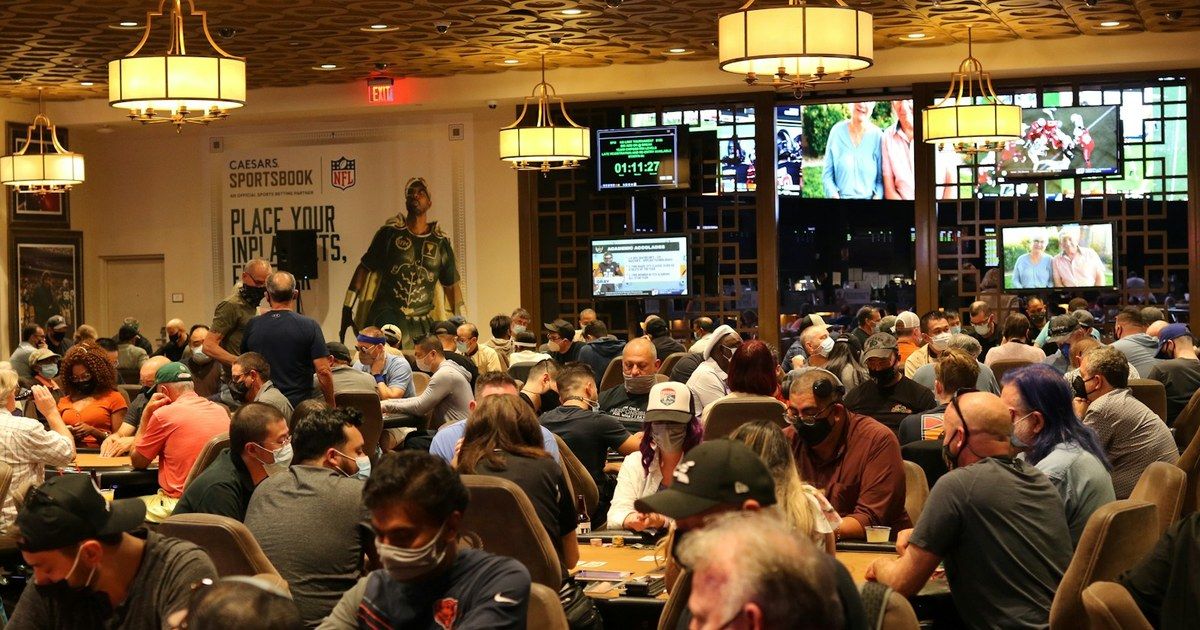
A crowded poker tournament room filled with tables and players

Sit and Go Poker: How SNG Starts, Stacks and Payouts Work

A Sit & Go, often shortened to SNG, is a tournament that normally has no scheduled start time. It begins when the required number of seats is filled. That describes how the event starts, not how fast it plays or how many tables it must use. An SNG can be single-table or multi-table, and a tournament can also be Turbo. These labels answer different questions. This guide uses a six-player, single-table, regular-speed freezeout as a teaching example. It is not a universal event structure. The seat count, starting stack, blind levels, re-entry rules, and payout places depend on the specific tournament. ...

November 19, 2026 · 5 min
Five Card Draw Rules: How the Draw and Showdown Work

Five Card Draw Rules: How the Draw and Showdown Work

Five Card Draw gives each player a private five-card hand and one chance to replace cards. This guide uses a blind-based high-hand version: there is a betting round before the draw, another after it, and the best standard five-card poker hand wins. A home game may set a different draw limit or betting structure, so agree on those details before the first deal. Setup: blinds, button, and private cards The dealer button marks the nominal dealer position. The player to its left posts the small blind, and the next player posts the big blind. These forced bets start the pot. Each player then receives five cards face down. Unlike Texas Hold’em, there are no community cards to combine with the hand. ...

November 18, 2026 · 4 min
Play Free Now Poker instantly in your browser - no download, free chips for new players First load may take a moment - thanks for your patience.
Contact Us